Essential Guide to Pick the Best Contractor in South Florida
Choosing a Trusted Contractor in South Florida
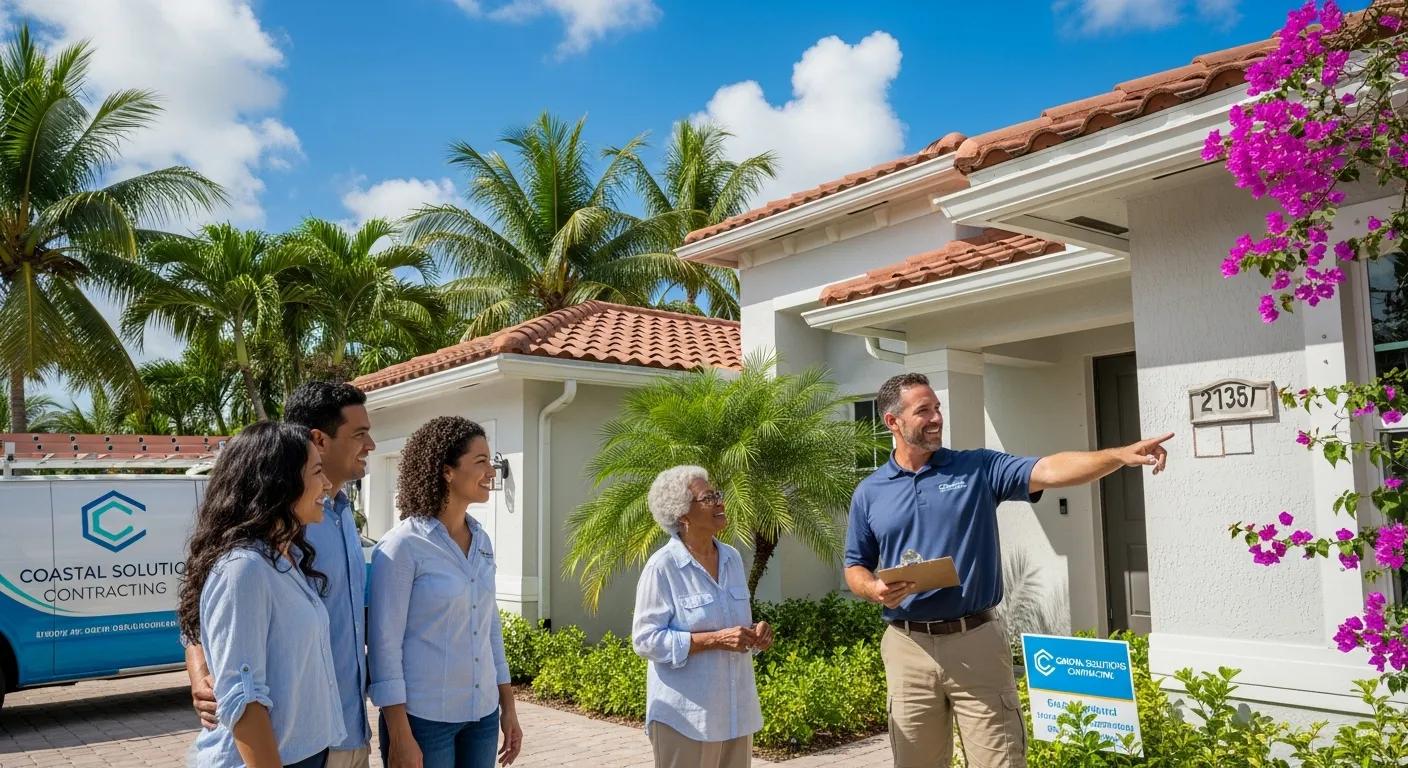
Selecting a general contractor in South Florida can be a daunting task, especially with the myriad of options available. This guide aims to equip you with the knowledge to make an informed decision by highlighting essential factors to consider and potential red flags to watch for. Understanding how to choose a licensed general contractor is crucial for ensuring your construction or renovation project runs smoothly and meets your expectations. Many homeowners face challenges such as unlicensed contractors, poor communication, and unexpected costs. By knowing what to look for and asking the right questions, you can mitigate these risks. This article will cover how to verify a contractor's license, common red flags indicating a bad contractor, essential questions to ask, contract essentials, insurance and bonding requirements, and local resources for consumer protection.
How Can You Verify a General Contractor's License in South Florida?
Verifying a general contractor's license is a critical step in the hiring process. It ensures that the contractor has met the necessary qualifications and adheres to state regulations. In South Florida, the verification process involves checking with official licensing authorities and utilizing online resources. This verification not only protects your investment but also provides peace of mind knowing that your contractor is qualified to handle your project.
What Are the Official Florida Licensing Authorities and Their Verification Processes?
In Florida, the primary authority for contractor licensing is the Florida Department of Business and Professional Regulation (DBPR). The DBPR oversees the licensing of general contractors and ensures compliance with state laws. To verify a contractor's license, you can visit the DBPR's official website, where you can search for licensed contractors by name or license number. This process typically involves:
- Accessing the DBPR website: Navigate to the contractor search section.
- Entering the contractor's details: Input the name or license number of the contractor.
- Reviewing the results: Check the status of the license, including any disciplinary actions or complaints.
This straightforward process helps ensure that you are hiring a qualified professional.
How to Use Online Portals for Contractor Verification in Fort Lauderdale?
In addition to the DBPR, Fort Lauderdale residents can utilize local online portals for contractor verification. The city’s official website provides resources for checking contractor licenses and permits. To use these portals effectively:
- Visit the Fort Lauderdale city website: Look for the contractor verification section.
- Input the contractor's information: Enter the name or license number.
- Review the contractor's history: Check for any permits issued and past projects.
These online tools enhance transparency and help you make informed decisions about your contractor.
What Are the Common Red Flags Indicating a Bad Contractor in South Florida?
Identifying red flags when hiring a contractor is essential to avoid potential pitfalls. Many consumers overlook warning signs that could indicate a contractor is unreliable or unqualified. Being aware of these red flags can save you time, money, and stress during your project.
Which Warning Signs Should Consumers Watch for When Hiring Contractors?
When evaluating potential contractors, watch for the following warning signs:
- Lack of Licensing or Insurance: A legitimate contractor should always provide proof of licensing and insurance. If they cannot, consider this a major red flag.
- Unclear Communication: If a contractor is evasive or unclear in their communication, it may indicate a lack of professionalism.
- High Pressure Sales Tactics: Be wary of contractors who pressure you to make quick decisions or offer deals that seem too good to be true.
Recognizing these signs early can help you avoid hiring a contractor who may not meet your expectations.
How Do Recent Florida Consumer Complaint Trends Highlight Contractor Risks?
Recent trends in consumer complaints reveal that many homeowners face issues with contractors, including unfinished work and poor quality. According to the Florida Department of Agriculture and Consumer Services, complaints about contractors increased by approximately 20% over the past year. This rise highlights the importance of thorough vetting and awareness of potential risks when hiring a contractor. By staying informed about these trends, consumers can better protect themselves from unreliable contractors.
What Essential Questions Should You Ask a General Contractor Before Hiring?
Asking the right questions can significantly impact your experience with a general contractor. It is essential to gather information about their qualifications, experience, and approach to your project. This section outlines key questions that can help you assess a contractor's suitability for your needs.
Which Contractor Credentials and Experience Details Are Crucial to Confirm?
When interviewing potential contractors, consider asking about:
- Experience with Similar Projects: Inquire about their past projects that are similar to yours.
- References from Previous Clients: Request contact information for past clients to gauge their satisfaction.
- Certifications and Training: Ask about any additional certifications that demonstrate their expertise.
These questions will help you evaluate the contractor's qualifications and reliability.
How to Assess Contractor Responses to Insurance and Bonding Inquiries?
Understanding a contractor's insurance and bonding status is crucial for protecting yourself from liability. When discussing insurance, ask:
- What Types of Insurance Do You Carry?: Ensure they have general liability and workers' compensation insurance.
- Can You Provide Proof of Insurance?: A reputable contractor should readily provide documentation.
- Are You Bonded?: Bonding protects you in case the contractor fails to complete the job.
Assessing their responses will give you confidence in their professionalism and commitment to safety.
What Contract Essentials and Legal Protections Should You Require?
A well-structured contract is vital for protecting your interests in any construction project. It should clearly outline the scope of work, payment terms, and legal protections. Understanding what to include in your contract can help prevent disputes and ensure a smooth project.
Beyond the basic terms, it's crucial to recognize that a contract can contain hidden risks and biases, as highlighted by experts in construction law.
Identifying Red Flags in Construction Contracts
Once this first step has been completed, a prudent contractor bidder will do much more before making a decision on whether to proceed. It is imperative to know what kind of a contractual situation will be encountered if a bid is submitted and the contract awarded. Will the contract be fair, or will it be heavily biased in favor of the owner? Aside from the financial “risk of performance” associated with the actual construction work, what contractual risks lie buried in the contract language?
5. Owner–Construction Contractor Prime Contract “Red Flag” Clauses, 2022
Which Contract Terms Are Vital for Protecting Your Remodeling Project?
Key terms to include in your contract are:
- Detailed Scope of Work: Clearly define what work will be performed and any materials to be used.
- Payment Schedule: Outline when payments will be made and under what conditions.
- Timeline for Completion: Specify the expected start and completion dates.
Including these terms helps set clear expectations and provides a framework for accountability.
How to Ensure Contracts Comply with Florida Construction Regulations?
To ensure compliance with Florida construction regulations, consider the following steps:
- Review Local Building Codes: Familiarize yourself with local codes that may affect your project.
- Consult with a Legal Professional: If unsure, seek legal advice to review the contract for compliance.
- Verify Permits: Ensure that the contractor has obtained all necessary permits before work begins.
These steps will help safeguard your project against legal issues and ensure adherence to local regulations.
What Are the Insurance and Bonding Requirements for South Florida Contractors?
Understanding the insurance and bonding requirements for contractors in South Florida is essential for protecting yourself as a homeowner. These requirements ensure that contractors are financially responsible and capable of handling potential liabilities.
How to Verify Contractor Insurance Coverage and Bonding Status?
To verify a contractor's insurance and bonding status, follow these steps:
- Request Documentation: Ask the contractor for copies of their insurance policies and bonding certificates.
- Contact the Insurance Provider: Verify the coverage directly with the insurance company to ensure it is current.
- Check Bonding Status: Confirm that the contractor is bonded through the appropriate state agency.
This verification process helps ensure that you are protected in case of accidents or incomplete work.
Why Are Insurance Disclosures Important Under 2024 Florida Regulations?
Under the 2024 Florida regulations, contractors are required to disclose their insurance coverage to clients. This requirement aims to enhance transparency and protect consumers from potential liabilities. Understanding these regulations is crucial for homeowners, as it ensures that contractors are held accountable for their work and that clients are informed about the protections in place.
Where Can Consumers Find Local Resources and File Complaints Against Contractors?
If you encounter issues with a contractor, knowing where to find local resources and how to file complaints is essential. Several agencies in South Florida can assist consumers in addressing contractor-related problems.
Which South Florida Consumer Protection Agencies Handle Contractor Issues?
Key consumer protection agencies in South Florida include:
- Florida Department of Agriculture and Consumer Services: Handles complaints and provides resources for consumers.
- Better Business Bureau (BBB): Offers ratings and reviews of contractors based on consumer feedback.
- Local Chamber of Commerce: Can provide referrals and resources for resolving disputes.
These agencies can help you navigate issues with contractors and provide guidance on your rights as a consumer.
How to Use Official Channels to Report Contractor Scams and Violations?
To report contractor scams or violations, follow these steps:
- Gather Documentation: Collect all relevant documents, including contracts, receipts, and correspondence.
- File a Complaint: Submit your complaint to the appropriate agency, such as the Florida Department of Agriculture and Consumer Services.
- Follow Up: Keep track of your complaint status and provide any additional information requested.
Using these official channels helps protect other consumers and holds contractors accountable for their actions.